Will the caste survey in Karnataka pave the way for scrapping the anti-conversion law in the state?
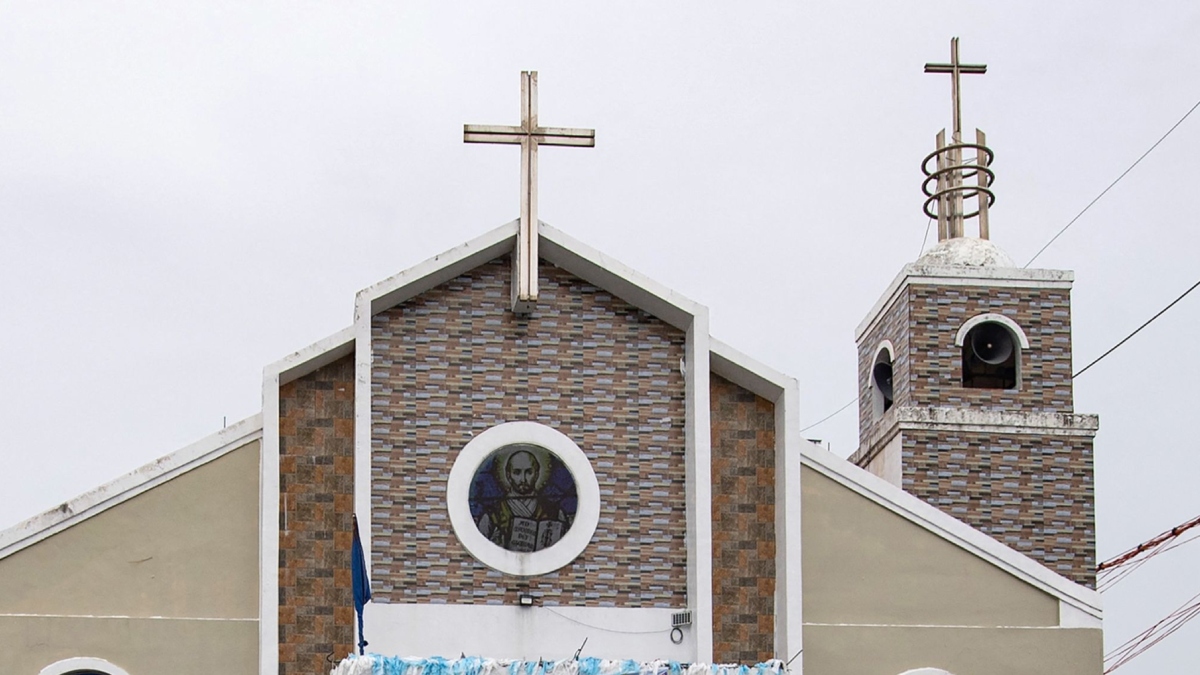 Image of a Christian church used for representation | AFP
The 15-day comprehensive Socio-Economic and Educational Survey (caste survey) that begins on September 22 has been welcomed by all political parties, but the draft notification published by the Karnataka State Backward Classes Commission, including 52 new ‘castes’ of Christians (with a caste prefix) such as Kuruba Christian, Vokkaliga Christian, Billava Christian, Brahmin Christian, Ediga Christian, Maadiga Christian, and Lambani Christian, has triggered a controversy.
The SC/ST and OBC communities have slammed the Congress government for “appeasing” the minorities at the cost of the disadvantaged Hindu communities. The BJP has alleged that the caste survey is just a precursor to scrapping the anti-conversion law in the state by keeping the reservation benefits for converted Christians intact.
The BJP contended that there is no constitutional provision for religion-based reservation and those who convert forfeit their claim for reservation. The new nomenclature (new caste-based classification of Christians) would also “normalise” conversion and encourage the gullible to convert without the fear of losing their caste identity, reservation benefits, or the cultural connection to one’s default religion, assert BJP leaders.
“This is a ploy to integrate Christians into the Hindu OBC communities. After the government rejected the Kantharaj Commission report, it ordered a fresh survey and enlisted 1,400 castes and sub-castes in the new list. But the list includes more than 50 Dalit, OBC, and upper-caste communities with a suffix ‘Christian’. This is a conspiracy to label the Hindu communities as Christian. We oppose this move as it is a ploy to divide our unity and encourage conversion. This will deprive our people of availing the reservation benefits as the converted Christians will corner all benefits,” said S Harish, president of Samajika Nyaya Jagriti Vedike (social justice forum), Bengaluru North district.
Interestingly, Chief Minister Siddaramaiah tried to play down the issue of tagging Christians with Hindu caste names in the caste survey and said, “This survey is to capture the social and educational backwardness of the people and to find out their religion. If he or she is a practising Christian, they will be listed as Christians and not by any caste.”
Siddaramaiah, who asserted that the exercise (survey) would help design “scientific and fair” welfare policies to eliminate inequalities through “affirmative action”, did not clarify if the new Christian castes would avail the reservation benefits.
Madhusudhan Naik, current chairman of the Backward Classes commission, said, “The survey is based on self-declaration and we will record whatever the people disclose in the survey. We will not lead them to choose their religion or caste. The Commission will take a call on how to classify after the data collection is completed.”
Even as the various community leaders from Lingayat, Nekaar (weaver), SC, ST, and others are reaching out to their respective communities to guide them on filling up the religion, caste, and sub-caste columns in the 60-point questionnaire, the Christian community has chosen to remain mum over the upcoming survey.
According to community insiders, each church has a huge following and asking the members to choose between their original caste and adopted religion would be self-defeating as most converted Christians choose to remain close to their cultural roots while practising Christianity. The converts also fear losing their cultural identity and the reservation benefits if they choose to be Christians in the government records. It will also pave the way for ‘Ghar wapsi’, they say.
In fact, the Christian leaders have been urging the Congress government to keep its poll promise of repealing the anti-conversion law—the Karnataka Protection of Right to Freedom of Religion Act, 2022, passed by the BJP, which prohibits conversion (Section 3) by use of misrepresentation, force, undue influence, coercion, allurement, or any fraudulent means, or by promise of marriage.
The religious and political leaders from the Christian community are keeping a safe distance from the caste survey controversy.
Christianity has sects, not castes
Dr Anil Thomas, state president of the Karnataka BJP Minorities Morcha, accused the state Backward Classes commission of sowing the “poisonous seeds” of caste among religions through the intended survey.
“The government is searching for caste within Christianity, which has shocked the community. It has created 52 new castes like Kuruba Christians, Brahmin Christians, Vokkaliga Christians, Madiga Christians, Reddy Christians, Tulu Christians, etc., and is creating divisions and differences within the community under the pretext of recognizing castes. The government claims that the 2015 Kantaraju Commission report, followed by the Jayaprakash Commission, had 44 castes of Christians, which has now increased to 52! The question is how some new castes suddenly infiltrated the community,” said Thomas, adding that the community strongly condemned the caste system imposed by the Congress government on Christianity.
Source: The Week
DISCLAIMER:
Persecution Relief wishes to withhold personal information to protect the victims of Christian Persecution, hence names and places have been changed. Please know that the content and the presentation of views are the personal opinion of the persons involved and do not reflect those of Persecution Relief. Persecution Relief assumes no responsibility or liability for the same. All Media Articles posted on our website, are not edited by Persecution Relief and is reproduced as generated on the respective website. The views expressed are the Authors/Websites own. If you wish to acquire more information, please email us at: persecutionrelief@gmail.com or reach us on WhatsApp: +91 9993200020